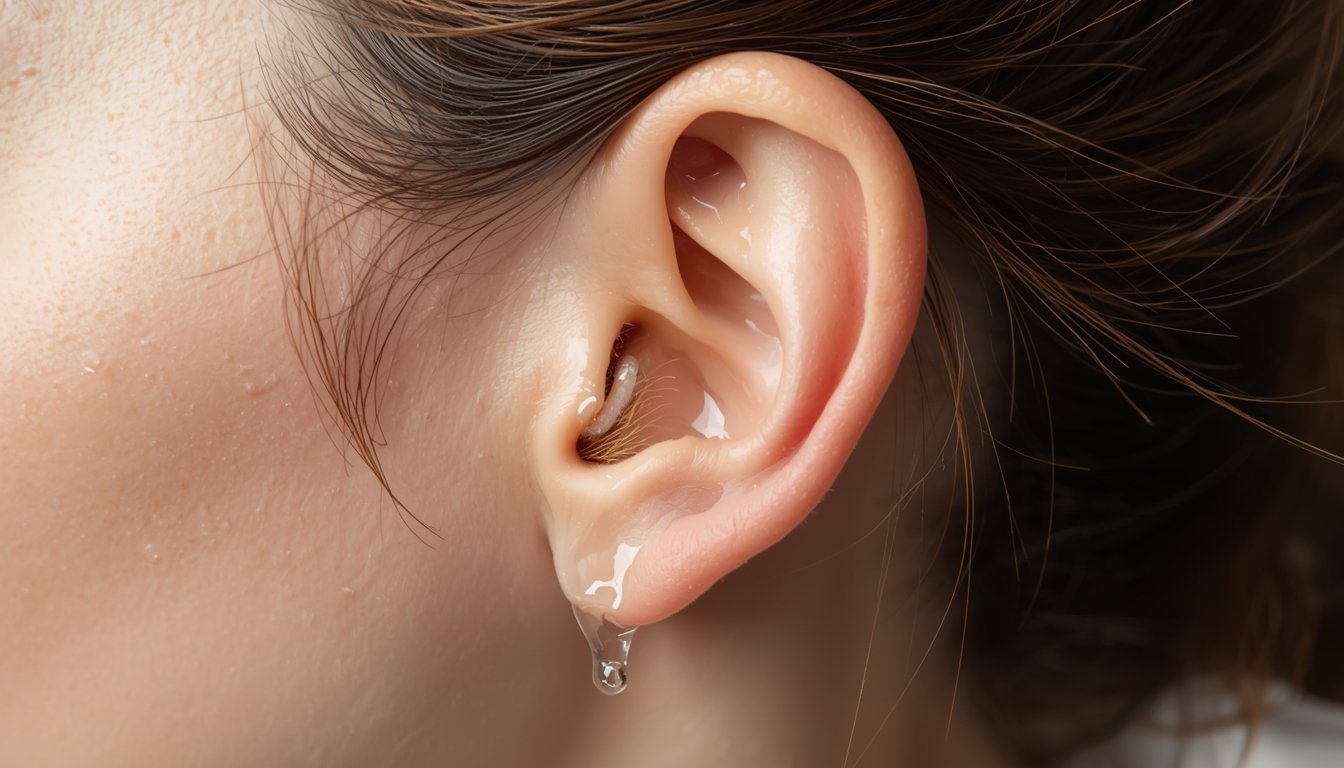
Safe Ways to Use Ear Wax Extraction Water for Clear Hearing
Have you ever felt like your ears were stuffed with cotton? That muffled feeling is often caused by a buildup of wax. Many people look for a simple way to fix this at home. Using ear wax extraction water is a popular method because it is gentle and easy to do. When you use the right temperature and technique, you can help your ears feel clear again without using sharp tools. It is very important to be careful with your hearing. Water helps to soften the hard bits of wax so they can slide out naturally.
Many people ask, does wax dissolve in water? The simple answer is no. Most ear wax is oily, so it does not just disappear when it touches liquid. However, ear wax extraction water works by creating pressure and moisture. This loosens the edges of the wax plug. If the wax is very stubborn, some people use a mixture of peroxide and water for ear wax removal. This mixture creates tiny bubbles that help break the wax into smaller pieces. Always make sure the water is lukewarm. Cold water can make you feel dizzy, and hot water can hurt your sensitive ear canal.
How Does Ear Wax Extraction Water Work?
The process of ear wax extraction water is quite scientific but easy to understand. Your ear canal produces wax to trap dust and germs. Usually, this wax moves out on its own. Sometimes, it gets stuck. When you introduce ear wax extraction water, you are adding hydration to a dry environment. This moisture makes the wax swell slightly and lose its grip on your skin. It is like soaking a dirty dish before scrubbing it. The water does the heavy lifting so you do not have to poke around inside your ear, which can be very dangerous.
You might see products labeled as water wax or water based hair wax in stores. It is important to remember that these are for your hair, not your ears! For your ears, you only want clean, purified water. When performing ear wax extraction water methods, the goal is “irrigation.” This means you are flushing the area. You are not trying to wash the ear like you wash your hair. You are using the liquid to gently nudge the blockage out. If you do this correctly, your hearing will often improve almost instantly as the air reaches your eardrum again.
Comparing Different Types of Water and Wax Products
| Feature | Ear Wax Extraction Water | Water Based Wax Lubricant | Water Soluble Wax Pastels |
| Primary Use | Cleaning the ear canal | Mechanical sliding/Industry | Art and drawing |
| Safety Level | High (if lukewarm) | Not for body use | Safe for skin contact |
| Main Ingredient | H2O / Saline | Synthetic polymers | Pigment and wax |
| Effect on Wax | Softens and flushes | Reduces friction | Leaves color |
Safe Steps for Using Peroxide and Water for Ear Wax Removal
Using peroxide and water for ear wax removal is a step up from using just plain water. Hydrogen peroxide is great because it releases oxygen. When those bubbles start fizzing in your ear, they are physically lifting the wax away from the canal wall. To do this safely, mix equal parts of 3% peroxide and warm water. Lie on your side and drop a few glugs into your ear. You will hear a loud crackling sound. This is normal! It means the ear wax extraction water is doing its job.
After letting it sit for five minutes, tilt your head over a sink. You might see chunks of wat wax (ear wax) falling out. This is the moment of relief! Always finish by drying your outer ear with a soft towel. Never stick a cotton swab deep inside to dry it. You could push the remaining ear wax extraction water or softened wax back against your eardrum. If you have a hole in your eardrum or an ear infection, you should never try this at home. Always check with a doctor if you feel any sharp pain during the process.
Why You Should Avoid Poking Your Ears
We often feel the urge to scratch our ears with keys or pens. This is a bad idea! Using ear wax extraction water is much safer. When you poke your ear, you risk scratching the thin skin inside. This can lead to an infection that hurts a lot. Ear wax extraction water reaches the deep spots without any sharp edges. It flows around the wax and creates a cushion. This cushion allows the wax to move toward the exit point. It is a “people-first” way to handle hygiene because it respects how your body is built.
The Difference Between Body Wax and Styling Products
It can be confusing when you search for “wax” online. You might find redken water wax or water based hair wax. These are styling products used to make hair look shiny and stay in place. While they are called water wax, they should never go near your ear canal. They contain chemicals that could cause a massive allergic reaction inside your ear. Stick to the ear wax extraction water techniques that use simple, clean liquids. Keeping your beauty products and your health products separate is a key part of staying safe and healthy.
Can You Use Water Based Wax Lubricants?
In some technical jobs, people use a water based wax lubricant to help pull wires through walls. This is a very slippery substance. Even though it has “water” and “wax” in the name, it is a chemical product. You should never use a water based wax lubricant for ear wax extraction water purposes. Your ears are living tissue, not a plastic pipe. Stick to the basics. Simple warm water or a saline solution is all you need for a successful ear wax extraction water session at home.
Tips for Maintaining Clean Ears Naturally
The best way to handle wax is to let it be most of the time. However, if you are prone to buildup, using ear wax extraction water once a month can help. You can also use a tiny bit of olive oil to keep the wax soft. Soft wax is less likely to become a hard plug. When you shower, let a little warm water run into your ears and then tilt it out. This mini ear wax extraction water routine keeps things moving. Just remember not to use high-pressure shower heads directly in the ear, as that can be too strong.
Common Myths About Ear Wax and Water
Some people think that if they swim, the water will clean their ears. This isn’t exactly true. While it is a form of ear wax extraction water, lake or pool water often has bacteria. This can cause “swimmer’s ear.” The best ear wax extraction water is filtered or boiled then cooled. Another myth is that you can use the same wax used for plants. For example, people ask do you water amaryllis bulbs in wax? While those bulbs are dipped in wax to stay hydrated, that wax is hard and decorative. It has nothing to do with the soft, protective wax in your ears.
When to See a Professional for Extraction
If you have tried ear wax extraction water at home and you still can’t hear, it is time to see a doctor. Sometimes the wax is just too hard or too deep for home methods. A doctor uses a special tool or a high-powered ear wax extraction water machine called an irrigator. They can see exactly where the wax is. Trying to force it at home can lead to a “tinnitus” or ringing in the ears. If you feel dizzy or see fluid that isn’t water, stop immediately. Your hearing is precious, and sometimes experts are the best choice.
Conclusion: Living with Clearer Hearing
Using ear wax extraction water is a fantastic way to take control of your ear health. It is a gentle, natural, and effective method when done with patience. By understanding that wax doesn’t just dissolve but needs to be softened, you can achieve great results. Whether you use plain warm water or a mix of peroxide and water for ear wax removal, always prioritize safety. Keep your hair products like water wax for your head and your irrigation tools for your ears. Clear hearing makes life much more enjoyable!
Frequently Asked Questions
1. Is ear wax extraction water safe for children? Yes, but you must be very gentle. Use only warm water and never a high-pressure spray. It is always best to ask a pediatrician before trying home remedies on kids to ensure their eardrums are healthy.
2. How often should I use ear wax extraction water? You should only do it when you feel a blockage. For most people, once every few months is plenty. Doing it every day can dry out your ear canal and cause itching or infections.
3. Does wax dissolve in water if I soak it long enough? No, ear wax is mostly made of fats and oils. It will soften and lose its shape, but it will not disappear into the water like sugar or salt would.
4. Can I use redken water wax in my ears? Absolutely not! That is a hair styling product. Using hair products in your ears can cause severe irritation, chemical burns, or blockage of the ear canal.
5. What should I do if the water gets stuck in my ear? Tilt your head to the side and gently pull your earlobe down and back. This straightens the canal and helps the ear wax extraction water flow out naturally.
6. Is peroxide and water for ear wax removal better than plain water? It is often more effective for hard wax. The oxygen bubbles help break up the wax better than water alone. However, it can be slightly drying for people with sensitive skin.