Is Waxed Canvas Water Resistant? The Ultimate Guide to Weatherproof Gear
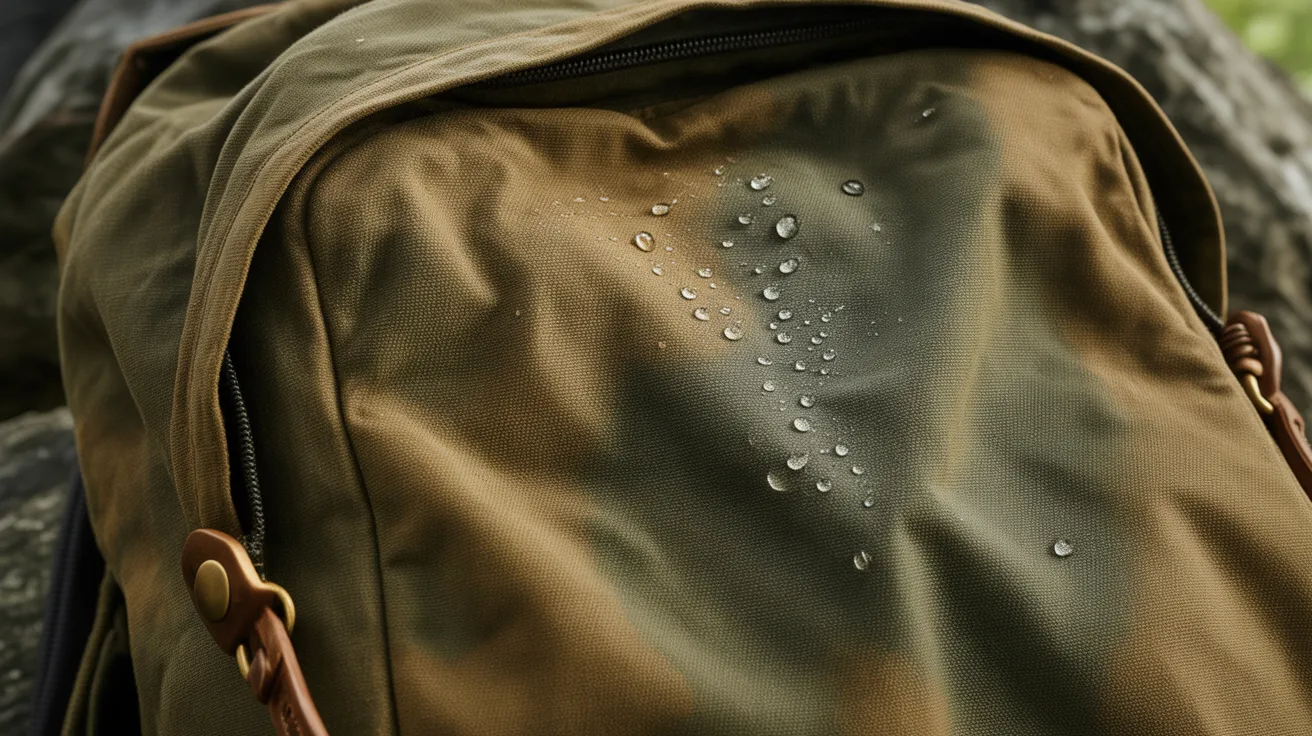
Have you ever wondered why some bags look better the older they get? Most modern backpacks are made of plastic and tear easily. However, gear made with waxed canvas water resistant coating is a different story. This fabric has been used for hundreds of years by sailors and explorers. It works by soaking heavy cotton cloth in a special blend of waxes. Because oil and water do not mix, the moisture simply beads up and rolls off the surface. It is a natural way to keep your belongings bone-dry during a rainstorm.
Using waxed canvas water resistant materials feels like holding a piece of history. When you touch the fabric, it feels sturdy and slightly stiff. Over time, it develops lines and marks called a “patina.” This makes your bag look unique to you. Unlike thin nylon, this material can handle scrapes against rocks or heavy wind. Whether you are hiking in the woods or walking to school, knowing your stuff is safe from the rain provides great peace of mind.
| Feature | Details |
| Material Base | Heavy-duty 100% Cotton Canvas |
| Coating Type | Paraffin or Beeswax Blend |
| Best Use | Backpacks, Jackets, Tents, and Pouches |
| Durability | Lasts decades with proper re-waxing |
| Water Level | Highly Water-Resistant (not waterproof for diving) |
| Cleaning | Cold water and soft brush only |
How Does Waxed Canvas Water Resistant Fabric Work?
The secret to why waxed canvas water resistant gear works so well is found in basic science. Think about water drops on wax paper when you are crafting at home. The water stays in a little ball and does not soak through the paper. This is because the wax fills the tiny holes in the fabric weave. When rain hits the cloth, it cannot find a way inside. This creates a powerful shield that protects your laptop, books, or clothes from getting soggy.
Many people ask, will wax dissolve in water? The answer is a big no! Wax is a lipid, which means it hates water. Even if you stay out in a heavy downpour for an hour, the wax stays stuck to the cotton fibers. This is why waxed canvas water resistant clothing was the top choice for sea captains in the old days. They needed something that stayed tough even when the ocean waves crashed over the side of the boat.
The Difference Between Wax Paper and Water Protection
You might have used wax paper and water for a science project in school. While wax paper is great for sandwiches, it is very thin. Waxed canvas water resistant fabric is like the “superhero” version of that paper. It uses many layers of wax pushed deep into thick threads. If you put water on wax paper, it slides off, but the paper can still tear. The canvas version is much stronger and can carry heavy tools without breaking.
When we look at wax paper and water experiments, we see how the surface tension works. The same thing happens on your waxed jacket. If you see the water stopping its “beading” action, it means the wax is wearing thin. You don’t need a water to wax calculator to fix it; you just need to apply a fresh coat of fabric wax. This keeps the waxed canvas water resistant barrier strong for many more years of adventure.
Understanding the Science of Wax Water Repellency
The relationship between wax water interaction is all about chemistry. Because wax is non-polar, it pushes away polar water molecules. This is why water waxing your gear is such a smart move. When you apply heat to the wax, it turns into a liquid and dives deep into the cotton. Once it cools down, it hardens and creates a permanent wall. This wall is what makes waxed canvas water resistant and ready for the outdoors.
Sometimes people worry about their gear getting “waxy” or sticky. High-quality waxed canvas water resistant items are cured so they feel dry to the touch. It is not like the water wax hair products people use to style their bangs. Instead, it feels like a rugged, matte shield. If your bag ever feels a bit stiff in the winter, that is just the wax doing its job to stay firm and protective against the cold.
Cold Water Surfing and Specialty Waxes
Not all wax is the same! For example, surfers use surf wax cold water formulas to stay on their boards. This wax is meant to stay sticky so their feet don’t slide off in the ocean. However, the wax used for waxed canvas water resistant bags is different. It is designed to be smooth and hard. You wouldn’t want to use surfboard wax on a jacket because you would stick to everything you touched!
Even though the types are different, they both rely on the fact that wax refuses to let water through. Whether you are using surf wax cold water blends for a surfboard or heavy paraffin for a coat, the goal is the same: managing moisture. For hikers, having a waxed canvas water resistant rucksack is the best way to ensure that a sudden change in weather doesn’t ruin a fun trip.
Why Water Waxing is Better Than Plastic Coatings
Most cheap bags use a plastic liner to stay dry. But plastic peels and cracks after a year. Water waxing a canvas bag is a much better choice because you can always fix it. If a spot wears out, you just rub more wax on it. This makes waxed canvas water resistant gear a “forever” product. It is better for the planet because you aren’t throwing away a broken plastic bag every single season.
When you choose waxed canvas water resistant materials, you are choosing quality. You can see the water drops on wax paper effect right on your sleeve. It is fun to watch the rain jump off your shoulders while everyone else is getting soaked. Plus, the wax adds a layer of wind protection. It keeps you warmer because the wind cannot whistle through the tiny gaps in the fabric.
Maintaining Your Waxed Canvas Gear Properly
To keep your waxed canvas water resistant items in top shape, you must follow some simple rules. Never put them in a washing machine! The hot water and soap will strip the wax away. If you do this, you will end up with a regular cotton bag that soaks up rain like a sponge. Instead, use a brush and a little wax water mixture or just plain cold water to scrub off dirt.
If your bag looks dry or the waxed canvas water resistant coating seems thin, it is time for a “re-wax.” You can buy a tin of fabric wax and rub it on in circles. Use a hair dryer to melt it into the fibers. It is a very satisfying process that makes your gear look brand new. You don’t need a fancy water to wax calculator to know how much to use—just apply it until the fabric looks dark and rich again.
Is Waxed Canvas Safe and Clean?
Some people ask about ear wax water cleaner tools when searching for wax info, but that is for your body! For your gear, wax is very safe. Most waxed canvas water resistant products use natural beeswax or food-grade paraffin. This means it is safe to touch and won’t hurt your skin. It is a very “clean” way to waterproof things compared to the harsh chemicals used in some synthetic sprays.
Keeping the fabric clean is easy because the wax actually repels dirt. Just like water on wax paper, mud usually just sits on the surface. You can wait for the mud to dry and then flick it off with your fingernail. This low-maintenance style is why waxed canvas water resistant gear is the favorite of hunters, fishermen, and people who work outside in the dirt all day.
Creative Uses for Waxed Materials
Beyond just bags, the waxed canvas water resistant method is used for hats, aprons, and even tool rolls. Chefs use waxed aprons to keep spills from ruining their clothes. Woodworkers love them because sawdust doesn’t stick to the wax like it does to fuzzy sweaters. Because we know that will wax dissolve in water is a “no,” these aprons can be wiped down hundreds of times and still look great.
You can even try a DIY project at home. If you have an old cotton bag, you can perform water waxing yourself. It is a fun weekend project. Once you are done, you will have your very own waxed canvas water resistant accessory. It is a great way to give new life to an old item that you were planning to throw away. It turns something ordinary into something extraordinary.
Conclusion: Why You Should Choose Waxed Canvas
In a world full of disposable items, waxed canvas water resistant gear stands out as a symbol of quality. It combines the beauty of natural cotton with the rugged protection of wax. From the way water drops on wax paper to the heavy-duty feel of a waxed jacket, this material is built to last. It protects your gear, looks amazing, and gets better with age. If you want a bag that will stay with you for a lifetime of adventures, go with waxed canvas!
Frequently Asked Questions
1. Can I wash my waxed canvas bag in the laundry? No! Using a washing machine or detergent will ruin the waxed canvas water resistant coating. It will strip the wax off and leave the bag vulnerable to rain. Only use cold water and a soft brush to spot-clean your gear.
2. How often should I re-wax my gear? It depends on how much you use it. If you see that rain is no longer beading up like water on wax paper, it is time for a fresh coat. For most people, once a year is plenty to keep it in great shape.
3. Does the wax rub off on my clothes? High-quality waxed canvas water resistant fabric is “cured,” so the wax stays inside the fibers. However, in very hot weather, it might feel slightly tacky. It is best not to leave your waxed gear leaning against light-colored silk or delicate fabrics for a long time.
4. Is waxed canvas better than polyester? Yes, for durability! While polyester is light, it can tear and the plastic coating eventually peels. Waxed canvas water resistant fabric is much tougher and can be repaired easily by adding more wax.
5. Does waxed canvas smell like chemicals? Most modern wax blends have a very mild, earthy scent, similar to a candle. It does not smell like harsh chemicals. Over time, the scent fades away completely, leaving you with just a great-looking bag.
6. Will the wax melt if I leave my bag in a hot car? The wax has a high melting point, so it won’t turn into a puddle. However, it can soften. If your waxed canvas water resistant bag gets too warm, just move it to a cool spot, and it will firm up again quickly.