The Snow Leopardess:Ghost of the Mountains and Fierce Protector
Have you ever heard of a ghost that walks on snow? In the high mountains of Asia, there is a real animal called a snow leopardess. She is a female snow leopard, and she is one of the most mysterious animals on Earth. People call them the “ghost of the mountains” because they are so hard to see .
A snow leopardess is a powerful and beautiful big cat. But life is not easy for her. She lives in a harsh world of cold winds and steep cliffs . She is a strong mother and a skilled hunter . This article will tell you all about the amazing snow leopardess. We will explore her life, her family, and why she is so important to our planet.
Learning about a snow leopardess is important for everyone. Many people do not know these animals exist. They are shy and live in faraway places. But they need our help to survive. By the end of this article, you will be an expert on the snow leopardess. You will know why she is so special and what we can do to protect her.
Table of Contents
What Exactly is a Snow Leopardess?
The word “snow leopardess” simply means a female snow leopard . This is a specific term used to describe a girl snow leopard. The males are called snow leopards. Female snow leopards are smaller than males. But they are just as tough and brave.
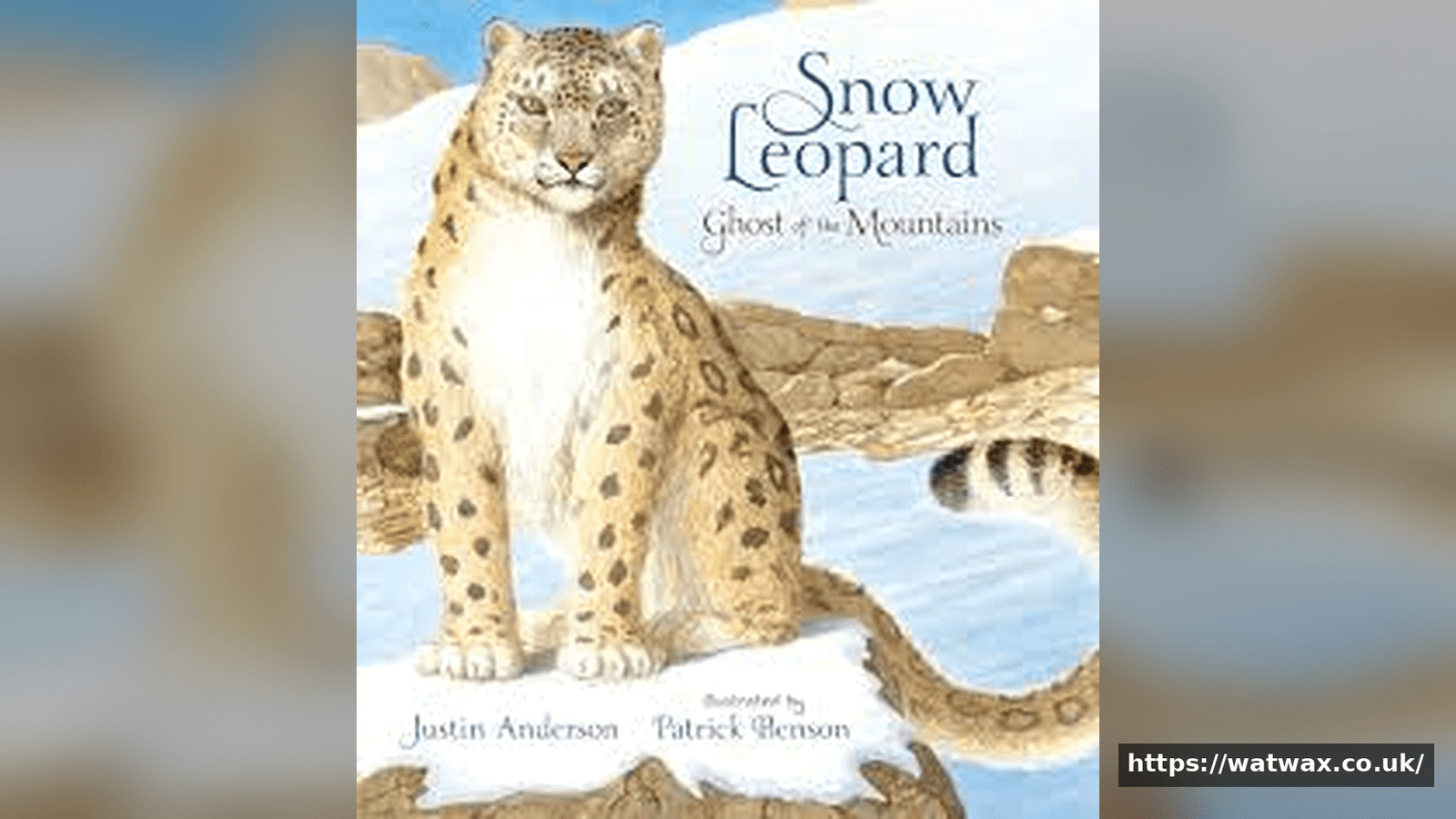
Scientists call all snow leopards Panthera uncia . They are part of the big cat family. A snow leopardess has a beautiful, thick coat of fur. This fur is a smoky grey color with dark rosettes, which are like flower-shaped spots . These spots help her to hide in the rocks and snow. Her fur is very long and soft to keep her warm in the freezing cold .
How to Spot a Female Snow Leopard
You might wonder how to tell a snow leopardess apart from a male. The easiest way is by size. A snow leopardess is usually smaller and lighter. A male snow leopard can weigh up to 55 kilograms, while a female weighs between 22 and 55 kilograms . Her head is also a bit smaller than a male’s head. Both have pale green or grey eyes that help them see in the snowy glare .
A snow leopardess has amazing features that help her survive. Her paws are very large and act like natural snowshoes . They stop her from sinking into deep snow. She also has a long, thick tail. This tail can be as long as her body! She uses it for balance when jumping on rocky mountains. At night, she can wrap her tail around herself like a cozy blanket .
| Feature | Description | How It Helps |
| Fur Coat | Smoky grey with black rosettes, thick, and long . | Camouflage in rocky/snowy terrain; provides warmth in sub-zero temperatures. |
| Paws | Extra-large with fur on the underside . | Acts like a snowshoe to prevent sinking; provides grip on slippery rocks. |
| Tail | Very long, almost as long as the body . | Maintains balance on steep cliffs; wraps around body for warmth . |
| Eyes | Pale green or grey . | Reduces glare from snow, improving vision in bright mountain sunlight. |
| Nostrils | Large nasal cavity . | Warms the cold mountain air before it enters the lungs . |
A Day in the Life of a Snow Leopardess
A snow leopardess lives a solitary life most of the time. This means she likes to be alone. She is most active at dawn and dusk, which is called being crepuscular . During the heat of the day, she often rests in a cave or under a rocky ledge.
The Solo Traveler
The snow leopardess is a master of the mountains. Her home range can be huge. It covers up to 124 square kilometers for a female in Mongolia . She roams across this territory to find food. She marks her area by scraping the ground or spraying urine on rocks . This is like sending a message to other leopards that says, “This is my home!”
Because she is so shy, we don’t know everything about her daily routine. She is a very private animal. This is why seeing one in the wild is a rare and special event.
What Does She Eat?
The snow leopardess is a carnivore. That means she only eats meat. She is a strong hunter and an apex predator . This means no other animal hunts her for food. She plays a crucial role in her ecosystem by keeping the balance of nature .
Her favorite meals include blue sheep and ibex . These are wild goats that live on the cliffs. The snow leopardess is incredibly powerful. She can kill an animal that is three times her own weight . She is a very brave hunter. She uses the rocky landscape to hide and stalk her prey. When she is close enough, she leaps out and grabs it.
The Huntress
The snow leopardess is a very patient hunter. She uses a technique called “stalk and ambush.” She will watch a herd of sheep for a long time from a hidden spot . Then, she moves slowly and quietly across the mountainside. Her soft paws make no sound on the rocks . When she is close enough, she makes a powerful leap. She can jump up to 30 feet to catch her dinner ! A single snow leopardess can eat a big meal and not need to eat again for a few days.
The Snow Leopardess as a Mother
The most important part of a snow leopardess’s life is raising her cubs. She is a devoted and protective mother. Being a mother in the mountains is a very tough job.
The Mating Season and Birth
Snow leopards have a very specific time for mating and birth. The mating season usually happens between January and March . You might hear them making loud, deep calls during this time. It is how they find each other in the vast mountains.
A snow leopardess is pregnant for about 93 to 110 days. This is called a gestation period . She gives birth to her cubs in June or July. This is the time when the weather is warmest in the mountains. She looks for a safe den to have her babies. This den is often a cave or a deep crack in a rocky cliff .
Raising the Cubs
A snow leopardess usually has two or three cubs . The babies are born blind and helpless. They rely completely on their mother. She must hunt for food and protect them from danger. The cubs grow fast and gain about 300 to 500 grams per week .
The snow leopardess is a very dedicated mom. She stays with her cubs for a very long time. In fact, she is one of the most dedicated mothers in the cat family. Cubs stay with their mother until they are 18 to 22 months old . That is almost two years! She teaches them everything they need to know. They learn how to hunt and survive in the wild.
A Mother’s Tough Choices
Life is hard in the high mountains. The environment is harsh, and there is not always enough food . The snow leopardess must work very hard to feed her growing cubs. She often has to travel far to find prey. Only the strongest cubs survive. This is nature’s way of ensuring that only the fittest animals live to have their own families.
The Life of a Snow Leopard Cub
Growing up as a snow leopard cub is a journey of learning and play. A snow leopard cub spends the first few years of its life with its mother. Their life is full of fun and important lessons.
Growing Up in the Den
Cubs are born blind and are very small. They stay safe in the den for the first two months of their lives . The snow leopardess is very careful during this time. She keeps them clean and nurses them. When the cubs are about 12 weeks old, they start to follow their mother outside the den .
Learning to Hunt
The cubs learn by watching their mother. They learn how to stalk, pounce, and hunt. They play with each other. This play teaches them how to fight and catch prey. It is like practice for the real thing.
The snow leopardess is a patient teacher. She will bring injured prey back to the den. This allows her cubs to practice their hunting skills on a live animal. This is a very important part of their education.
Leaving Home
When they are about 18 to 22 months old, the cubs are ready to leave their mother. This process is called dispersal . It is a hard time for the mother. She has invested so much in them. But it’s time for them to live their own lives. Male cubs often travel far away to find their own territory. Female cubs sometimes stay closer to their mother’s home . The snow leopardess has done her job. She has raised strong and independent cubs.
Conservation: Protecting the Snow Leopardess
The snow leopardess is in danger of becoming extinct. Her population is listed as “Vulnerable” . This means she faces a high risk of disappearing from the wild. There are only about 3,500 to 7,000 snow leopards left in the world .
Why Are They in Danger?
The snow leopardess faces many threats. Habitat loss is a big problem. Human activities like mining and building roads damage her home . Climate change is also affecting the mountains. The rising temperatures melt glaciers and change the vegetation. This means less food for the snow leopardess .
Poaching is another major threat. People hunt snow leopards for their beautiful fur and their bones . In some places, farmers kill snow leopards to protect their livestock . This is called human-wildlife conflict. These threats are severe.
What Can We Do?
There is still hope for the snow leopardess. Countries in Asia are working together to protect her . They have set up protected areas and national parks. There are programs to help local communities live alongside snow leopards.
The United Nations has even created a special day for them. October 23 is International Snow Leopard Day . This helps raise awareness about their plight. Many organizations are working hard to protect these animals. We can all help by learning more and spreading the word.
Interesting Facts About the Snow Leopardess
- A Silent Roar: A snow leopardess cannot roar. This is because of the shape of her throat . Instead, she makes other sounds like purrs, hisses, and growls .
- The Ghost: People call them “ghosts of the mountains” because they are so rare and secretive .
- Gentle Giants: Despite being fierce hunters, they are not known to be aggressive toward humans .
- Powerful Leaps: They can leap up to 30 feet (9 meters) in a single bound .
- Snowshoe Paws: Their large paws keep them from sinking into the snow .
Frequently Asked Questions About the Snow Leopardess
1. Is a snow leopardess a leopard?
No, a snow leopardess is not the same as a regular leopard. They are a separate species called Panthera uncia. They live in different places and have different features. They cannot roar like other big cats, and their fur is thicker and longer to survive the cold .
2. How many cubs does a snow leopardess have?
A snow leopardess typically gives birth to 2 to 3 cubs at a time . Sometimes, she can have just one or even four or five cubs. However, 2 to 3 cubs is the most common number for a litter.
3. Where do snow leopardesses live?
A snow leopardess lives in the high, rugged mountains of Central and South Asia . They are found in 12 countries, including China, India, Nepal, Pakistan, Mongolia, and Russia . They prefer steep terrain with rocky cliffs at elevations between 1,800 and 5,500 meters .
4. Are snow leopardesses good mothers?
Yes, a snow leopardess is an excellent mother. She raises her cubs alone for up to two years, which is longer than many other big cats . She teaches them to hunt and survive in the harsh mountain environment. Her dedication is amazing.
5. Why is the snow leopardess important?
The snow leopardess is very important for the health of the mountains . As an apex predator, she controls the population of animals like sheep and goats . This prevents overgrazing. Protecting snow leopards also helps protect the entire mountain ecosystem.
6. What is being done to save the snow leopardess?
Many things are being done to save her. Countries are creating national parks and protected areas . They are also fighting against poaching. There are programs that help local farmers protect their animals, so they don’t kill snow leopards in retaliation. International groups are also working together to protect these amazing cats .
Conclusion
The snow leopardess is one of the most amazing and beautiful animals on our planet. She is a powerful hunter, a dedicated mother, and a master of the mountains. She is a true “ghost of the mountains” who roams the high, snowy peaks. She plays a vital role in keeping nature in balance.
Sadly, this incredible creature needs our help. Her future is threatened by climate change, poaching, and habitat loss. We have a responsibility to protect her. By learning about the snow leopardess, we are taking the first step toward saving her. We can help by supporting conservation groups and spreading awareness about her plight.
Let us work together to ensure that the snow leopardess continues to walk the mountains of Asia for generations to come. Share this article to help others learn about this powerful female ghost. Every voice matters in the fight to protect wildlife.