The Indian Elephant in India: A Majestic Heritage Facing Modern Challenges
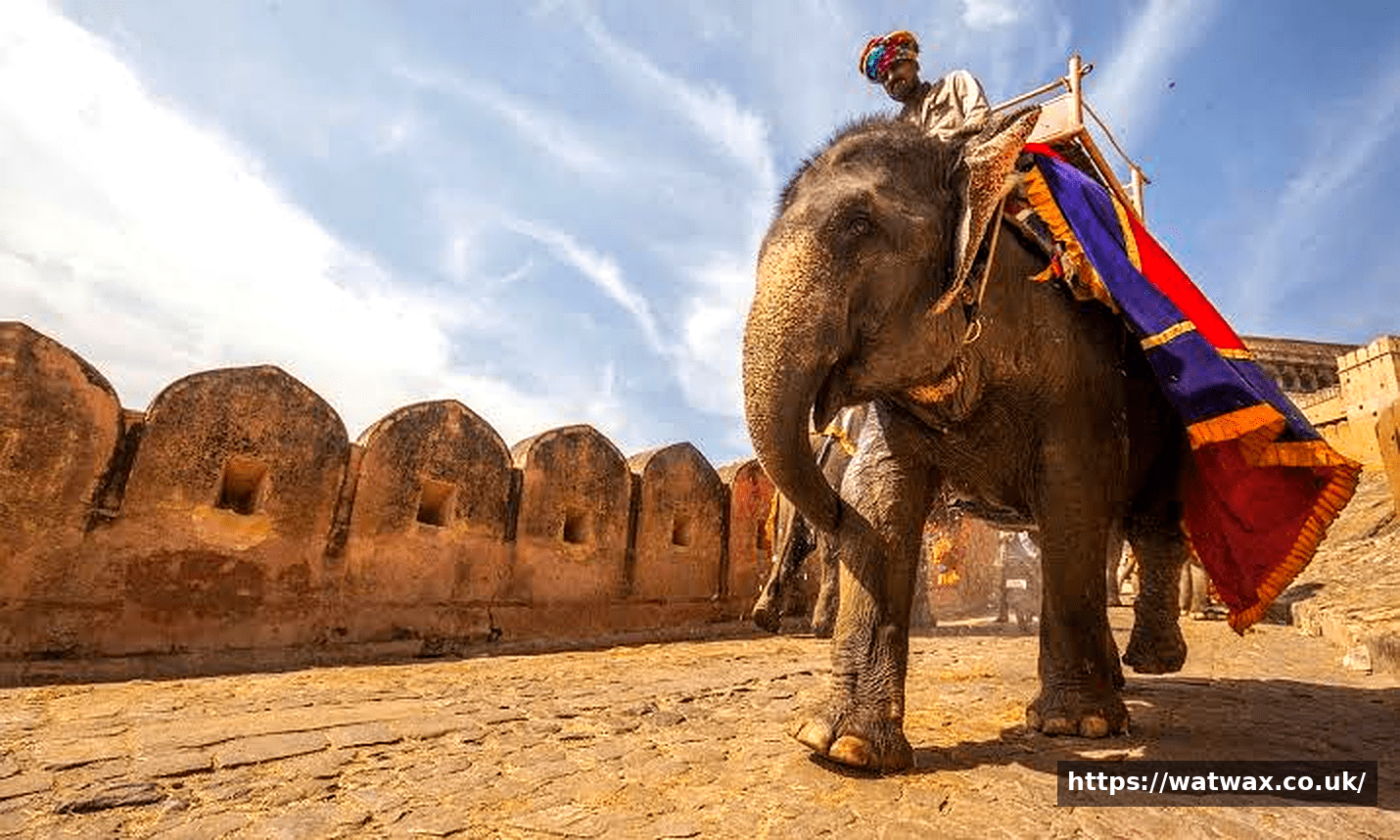
The indian elephant in India is more than just an animal. It is a symbol of the country’s rich cultural and natural heritage. This majestic creature, scientifically known as Elephas maximus indicus, roams the forests and grasslands of the subcontinent, playing a vital role in maintaining ecological balance.
As a keystone species, elephants shape their environment. They create clearings in dense forests that allow sunlight to reach the ground, helping new plants grow . Their large appetites mean they travel vast distances, spreading seeds in their dung across hundreds of miles.
However, the story of the indian elephant in India today is one of challenge. According to a recent report, the population of wild elephants is now estimated at 22,446 . While this marks the most accurate count ever, it also highlights significant pressures on their survival . India is home to over 60% of the world’s Asian elephants, but these gentle giants now occupy only a fraction of their historical range . Let’s explore their world, the difficulties they face, and the work being done to protect them.
Table of Contents
Understanding the Indian Elephant: Scientific Name and Physical Traits
The scientific name for the indian elephant in India is Elephas maximus indicus . It is a subspecies of the Asian elephant, and is distinct from its African cousins in several key ways.
Indian elephants have smaller, more rounded ears and a more curved spine . They are generally smaller than African elephants, reaching a height of up to 3 metres (around 10 feet) at the shoulder and weighing up to 5,000 kilograms . Unlike African elephants, only male Indian elephants typically grow tusks, although some females have small “tushes” . They are herbivores, spending up to 19 hours a day eating grasses, bark, roots, and fruit .
Key Facts About Indian Elephants
| Feature | Detail |
| Scientific Name | Elephas maximus indicus |
| Subspecies of | Asian Elephant (Elephas maximus) |
| Global Population Share | Approximately 60% of Asian elephants |
| Average Height | 2 – 3 meters (6.6 – 9.8 feet) at shoulder |
| Average Weight | 2,000 – 5,000 kilograms |
| Tusks | Primarily male only |
| Diet | Herbivore: grasses, bark, roots, fruits |
| Status | Endangered (IUCN Red List) |
| Primary Threats | Habitat loss, fragmentation, human-elephant conflict |
| Key Habitats | Western Ghats, Northeast India, Shivalik Hills, Central India |
Population Status and the New DNA Count
For years, the number of wild elephants was a matter of estimation. However, the “All-India Elephant Estimation 2021-25” report, published in October 2025, provided a sobering new baseline . This report, which used a cutting-edge DNA-based method analyzing over 21,000 dung samples and covering 667,000 km of foot surveys, is considered the most accurate count to date .
The official count of the indian elephant in India is now 22,446. This is a sharp 25% drop from the 2017 estimate of 29,964 . It is crucial to note that the new DNA-based method is more statistically robust, and the report’s authors caution that the figures are “not comparable to past figures and may be treated as a new monitoring baseline” . This new baseline shows that their distribution is now confined to a mere 3.5% of their historical range . While the overall population in India is considered reasonably stable, these new numbers reveal the severity of habitat loss .
Population Distribution by Region
The new estimate clearly shows the distribution of the indian elephant in India across four distinct regions:
- The Western Ghats: This region is the biggest stronghold, with 11,934 elephants . It covers states like Karnataka, Tamil Nadu, and Kerala, but the population here is rapidly becoming disconnected.
- Northeast India: This landscape, including Assam and the Brahmaputra floodplains, is home to the second largest population with 6,559 elephants .
- Shivalik Hills and Gangetic Plains: This northern region supports 2,062 elephants .
- Central India and Eastern Ghats: This area has the smallest population, with 1,891 elephants .
Karnataka currently holds the highest number of wild elephants in any single state .
Critical Threats to the Indian Elephant
The survival of the indian elephant in India is threatened by a combination of factors, all linked to human activity.
1. Habitat Loss and Fragmentation
The biggest threat is the loss of their natural home. As human populations expand, forests are cleared for agriculture, housing, and infrastructure like roads and railways. This has fragmented the once-contiguous landscapes used by elephants . A 2023 study found that India has lost 86% of its elephant habitat since the 18th century .
2. Human-Elephant Conflict (HEC)
As their habitat shrinks, elephants are forced to venture into agricultural areas in search of food. This leads to conflict, with elephants raiding crops and causing damage to property . This can lead to retaliatory killings of elephants. The conflict is deadly on both sides. Between 2019 and 2023, human-elephant conflict resulted in 2,853 human deaths in India . The annual average from 2009 to 2020 was around 450 human deaths .
3. Railway Accidents
Railway lines cutting through elephant corridors are another significant cause of mortality. Data shows that 81 elephants were killed in train collisions between 2019-20 and 2023-24 . The government has identified 77 priority railway stretches across 14 states where these collisions are most likely to occur .
4. Poaching and Illegal Trade
While less of a threat than for African elephants, poaching for ivory is still a concern for the indian elephant in India. Since only males have tusks, every poaching event skews the sex ratio, hindering breeding rates .
Conservation Efforts: Protecting the Gentle Giants
The Indian government and various organizations are implementing numerous strategies to protect the indian elephant in India.
Government Initiatives
Project Elephant was launched in 1991-92 by the Ministry of Environment, Forest and Climate Change (MoEFCC). It provides financial and technical support to states to protect elephants, their habitats, and corridors, and to address human-animal conflict . The government has also established “Elephant Cells” to provide technical expertise . To combat train collisions, a package of 705 mitigation structures, including overpasses and underpasses, has been recommended for priority railway stretches .
Technology and Science
Modern technology is playing a crucial role in conservation. An AI-based early-warning system has been deployed in Tamil Nadu that uses cameras to detect elephants near railway tracks and alert officials . The new DNA-based census is itself a key scientific tool for monitoring populations accurately . India is also setting up the “Center for Species Survival: Asian Elephant” in Odisha to drive research and policy for the region .
The Cultural and Spiritual Significance
The challenges facing the indian elephant in India are particularly poignant because of its deep cultural and spiritual significance. For over 4,000 years, the elephant has been a powerful motif in Indian art, religion, and royal life .
The elephant is a revered symbol in Buddhism, representing strength and patience. It is famously associated with the dream of Queen Maya foretelling the birth of the Buddha. In Hinduism, Lord Ganesha, the elephant-headed god, is worshipped as the remover of obstacles and the god of wisdom and new beginnings . The white elephant, known as Airavata, is considered the mount of the god Indra. The image of the indian elephant in India is, therefore, a symbol of divinity, royalty, and power.
Project Gaja-Lok, launched by the Indian National Trust for Art and Cultural Heritage (INTACH), is a pioneering initiative to document and explore these profound cultural connections . It highlights how the bond between humans and elephants is woven into the spiritual and artistic fabric of the nation, reminding us that preserving the elephant is about preserving a part of our own story .
FAQs About the Indian Elephant in India
1. How many Indian elephants are left in India?
According to the most recent DNA-based census from 2025, the wild elephant population in India is estimated at 22,446 . This is the most accurate count to date.
2. Are Indian elephants endangered?
Yes, the Indian elephant (Elephas maximus indicus) is listed as “Endangered” on the International Union for Conservation of Nature (IUCN) Red List . Their population has been declining due to threats like habitat loss and conflict.
3. How fast can an Indian elephant run?
Despite their large size, Indian elephants can run at speeds of up to 24 kilometres per hour (about 15 miles per hour) . Interestingly, their running gait is unusual, as they never have all four feet off the ground at the same time.
4. What is being done to stop elephant-train collisions?
The government has identified 77 high-risk railway stretches. To prevent accidents, they are implementing mitigation measures, including building underpasses and ramps, developing early-warning systems with sensors and cameras, and restricting train speeds in sensitive zones .
5. Why are Indian elephants important to the ecosystem?
They are a keystone species. As they travel and feed, they create trails and clearings in forests that help other plants grow . By eating fruits and excreting seeds, they play a vital role in seed dispersal, maintaining the health and biodiversity of their habitat .
6. What is the biggest threat to the Indian elephant?
The single biggest threat is habitat loss and fragmentation . As human development and agriculture expand, elephant habitats are shrinking and becoming disconnected. This forces elephants into contact with humans, leading to conflict.
Conclusion
The indian elephant in India is a magnificent creature at a crossroads. It is a national heritage animal, loved and worshipped by millions, but its survival is under serious threat . The latest population numbers show a sharp decline and highlight the immense pressure from habitat loss and human-elephant conflict. However, there is hope. The launch of advanced DNA-based censuses and new technology like AI-powered warning systems shows a strong commitment to science-based conservation .
The future of the indian elephant in India depends on balancing the needs of a growing human population with the need to protect this iconic species. From building wildlife corridors to fostering coexistence with local communities, a collaborative and people-first approach is essential . By protecting the elephant, we protect our forests. By protecting our forests, we secure a better future for ourselves and for these gentle giants.