The Amazing Species in Madagascar: A Journey to an Island of Wonders
Madagascar is not just an island; it is a world of its own. Sitting in the Indian Ocean off the coast of Africa, it is a place where nature went wild with creativity. Because Madagascar has been isolated for millions of years, the species in Madagascar have evolved into some of the strangest and most wonderful life forms on the planet. When you visit or even read about this place, you are stepping into a realm where nearly everything feels new and surprising. If you love nature, you must learn about the wildlife in Madagascar because it offers a story of survival and adaptation like no other. Almost 90% of the plants and animals you find here exist nowhere else, making it a top priority for conservationists.
Table of Contents
Why Is Madagascar So Special for Wildlife?
To understand the species in Madagascar, you have to look at its history. The island broke away from the African continent over 150 million years ago . Later, it separated from India, leaving it isolated in the ocean. This long isolation acted like a giant experiment in evolution. Animals and plants that arrived on the island, perhaps by floating on logs or being carried by the wind, had no competition. They adapted to fill every available niche, evolving into unique forms. This is why Madagascar is often called the “eighth continent.” It is a biodiversity hotspot. The species in Madagascar are not just different; they are often more varied than similar species in other parts of the world. This uniqueness is what draws scientists and tourists to its shores year after year.
The Famous Lemurs: The Face of Madagascar
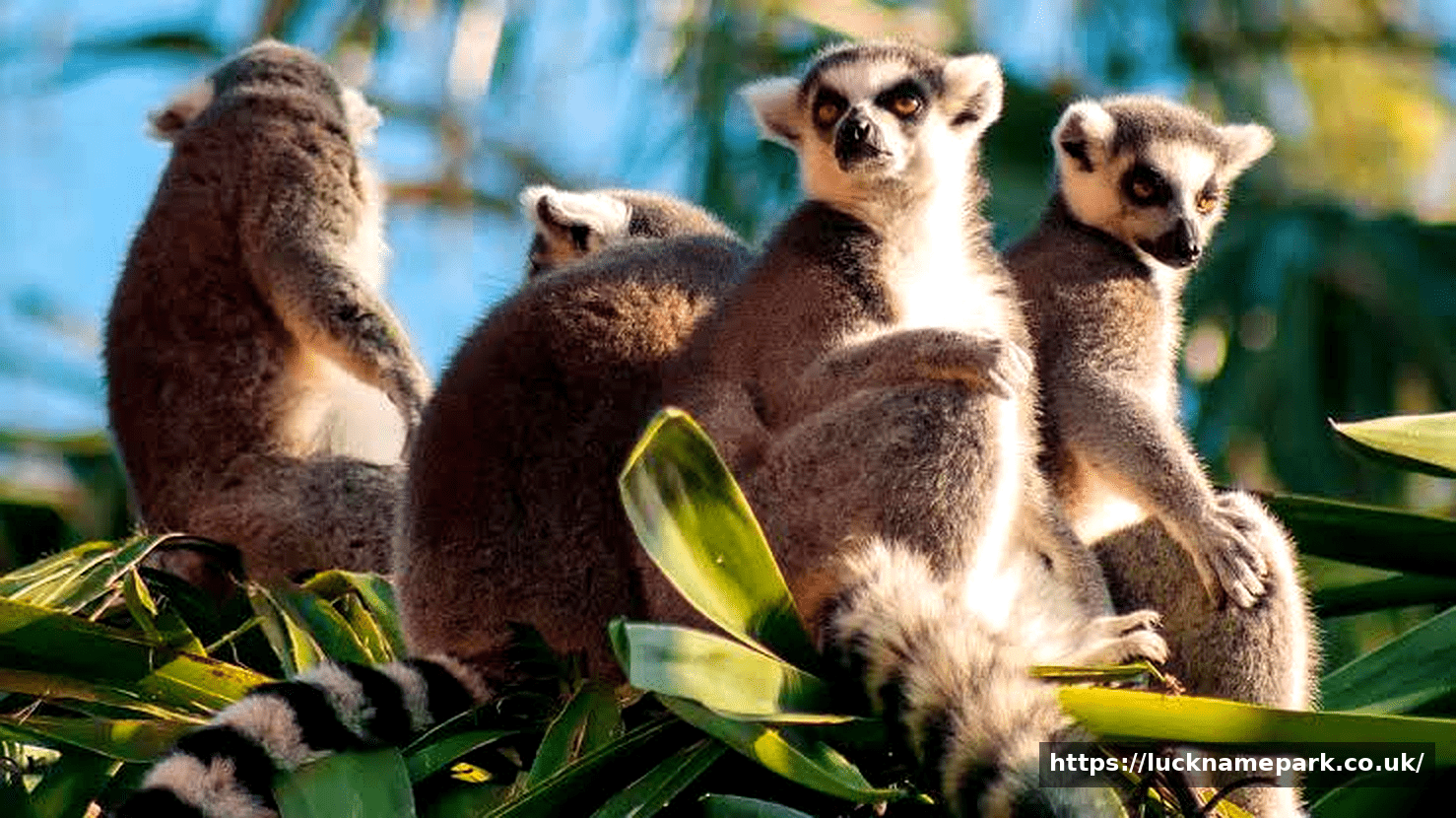
When you think of the species in Madagascar, the first animal that pops into your head is likely the lemur. These primates are endemic to the island, meaning this is the only place on Earth where they live . There are over 100 species of lemurs, ranging from the tiny mouse lemur, which is the smallest primate in the world, to the large indri, which can weigh up to 15 pounds . The indri is famous for its loud, wailing calls that echo through the forest. Another well-known type is the sifaka. They move by dancing sideways on their hind legs when they are on the ground. The diversity of lemurs is a perfect example of how species in Madagascar have adapted to different environments, from rainforests to dry spiny forests.
Reptiles and Amphibians: A Colorful Cast
The reptiles of Madagascar are just as fascinating as the mammals. Madagascar is home to about half of the world’s chameleon species . These lizards are masters of camouflage and have eyes that can move independently. You can find them in all shapes and sizes. The tiny Brookesia micro is one of the smallest reptiles, while the Parson’s chameleon is one of the largest. The species in Madagascar also include many colorful geckos and harmless snakes . There are no venomous snakes native to the island that are dangerous to humans . For amphibians, the species in Madagascar include over 300 types of frogs, including the bright red tomato frog and the colorful mantella frogs . These frogs are very sensitive to environmental changes, making them important indicators of ecosystem health.
Unique Mammals: Beyond Lemurs
While lemurs steal the spotlight, they are not the only mammals on the island. The species in Madagascar also include the fossa, which is the largest predator on the island . The fossa looks like a small cat but is actually related to the mongoose. It is an agile tree climber and hunts lemurs. It plays a crucial role in the ecosystem by keeping populations of other animals in balance. Another unique mammal is the tenrec . These small creatures are insectivores and look a bit like hedgehogs or shrews. They come in many forms. Some even look like tiny otters. The species in Madagascar also include various bats and rodents, many of which are also endemic . The giant jumping rat is a fascinating rodent that looks like a small rabbit and is found only on the island.
The Flora: A Botanical Wonderland
The plant life in Madagascar is just as important and unique as the animals. Over 90% of the plant species in Madagascar are endemic . The most famous trees are the baobabs. There are six species of baobab in Madagascar, and they look like they have been planted upside down, with their roots sticking up into the air . The spiny forests of the south are filled with plants that look like cacti but are actually in the Didieraceae family . Madagascar also has over 1,000 species of orchids, including the famous Darwin’s orchid, which has a very long spur to match a specific moth . The diversity of plants supports the wide array of animals and provides resources for the local people.
Birdlife in Madagascar
The birds of Madagascar might not be as colorful as those in South America, but they are incredibly unique. There are about 280 species of birds on the island, and over 100 of them are endemic . This means you can only see them here. There are five families of birds that are unique to Madagascar, including the ground-rollers and the vangas . These birds occupy ecological niches that in other parts of the world would be filled by different families. The Couas are a type of cuckoo that are often seen walking on the ground, looking for insects and lizards. Protecting the species in Madagascar means also ensuring these rare birds have safe places to live and breed.
Marine Life: Riches in the Ocean
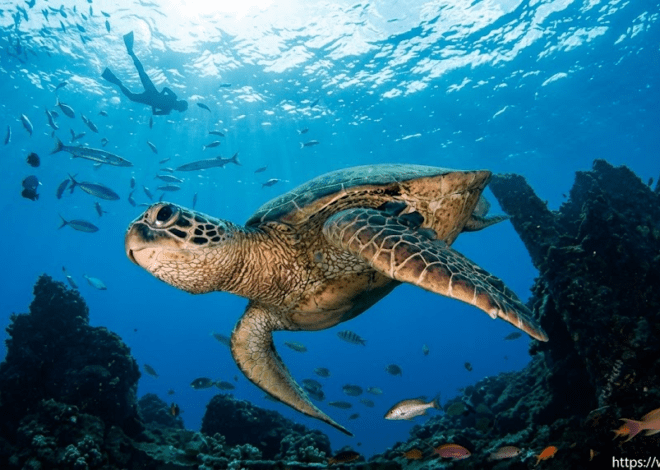
Madagascar has over 5,000 kilometers of coastline, and its waters are teeming with life. The species in Madagascar are not limited to the land. The coral reefs and mangroves support a huge variety of fish, marine mammals, and other sea creatures. There are over 1,500 species of fish in the waters around Madagascar . The reefs are home to colorful corals, sea turtles, and dugongs . These marine ecosystems are vital for the local fishing communities, providing food and income. Mangroves act as nurseries for young fish and protect the coastlines from erosion . Conservation efforts are now focusing on these marine areas to ensure that the species in Madagascar’s oceans are also protected for future generations.
The Threats Facing Madagascar’s Wildlife
Despite its incredible beauty and biodiversity, the species in Madagascar are facing serious threats. The main problem is habitat loss. Slash-and-burn agriculture, logging, and charcoal production have destroyed much of the original forest cover . Today, only a small percentage of the original forests remain . This leaves many animals without homes. Hunting is also a problem for larger species. Because the island is poor, many people rely on natural resources to survive. Climate change is making things worse, causing droughts and unpredictable weather. As a result, many of the unique species in Madagascar are now endangered. Conservation groups are working with local communities to find sustainable solutions that protect both the people and the wildlife.
Conservation Efforts: Protecting the Unique Species
There are many groups working hard to save the species in Madagascar. The country has established a network of national parks and reserves to protect critical habitats. For example, Anjanaharibe-Sud is a reserve that protects the rare silky sifaka, one of the rarest primates in the world . Andohahela National Park protects a unique junction where humid forests meet dry landscapes . These areas are managed by Madagascar National Parks. They work to enforce regulations and educate people about the importance of conservation. There are also many international organizations, like the WWF and Kew Gardens, that partner with local communities. They are helping to create sustainable livelihoods. The goal is to find a balance so that the amazing species in Madagascar can survive alongside the human population.
Conclusion
The species in Madagascar are a treasure that belongs to the entire world. This island is a living laboratory of evolution, showing us how life can adapt and thrive in isolation. From the dancing sifakas and giant baobabs to the colorful chameleons and rare marine life, the species in Madagascar offer an experience of nature that you cannot find anywhere else. However, this unique heritage is at a crossroads. The threats of deforestation and climate change are very real. While you might not be able to travel there today, you can help by supporting conservation organizations and spreading awareness about this magical place. Let’s work together to ensure that the incredible species in Madagascar continue to thrive for generations to come.
Frequently Asked Questions
What is the most famous species in Madagascar?
The most famous species in Madagascar are the lemurs. They are a group of primates found nowhere else on Earth. There are over 100 species, including the ring-tailed lemur and the tiny mouse lemur .
Are there dangerous animals in Madagascar?
Madagascar is relatively safe from dangerous animals. There are no venomous snakes that are deadly to humans native to the island . The largest predator is the fossa, which is shy and rarely seen . However, you should always respect wildlife and keep a safe distance.
How many species in Madagascar are endemic?
An incredible number of species in Madagascar are endemic. For example, 100% of the native primates (lemurs) are endemic, as well as 98% of the reptiles, 100% of the amphibians, and over 90% of the vascular plants .
What is the national animal of Madagascar?
The national animal of Madagascar is the lemur. More specifically, the ring-tailed lemur is often used as a symbol of the country . They are celebrated for their unique appearance and their connection to the island’s identity.
What is the rarest species in Madagascar?
There are many rare species in Madagascar. The silky sifaka is one of the rarest and most endangered primates on Earth . The Ploughshare tortoise and the radiated tortoise are also critically endangered and among the rarest animals in the world .
What efforts are being made to protect Madagascar’s wildlife?
Many efforts are underway to protect Madagascar’s wildlife. Conservation groups are working to protect habitats by establishing national parks and reserves . They are also working with local communities to create sustainable livelihoods that don’t rely on destroying the forest .