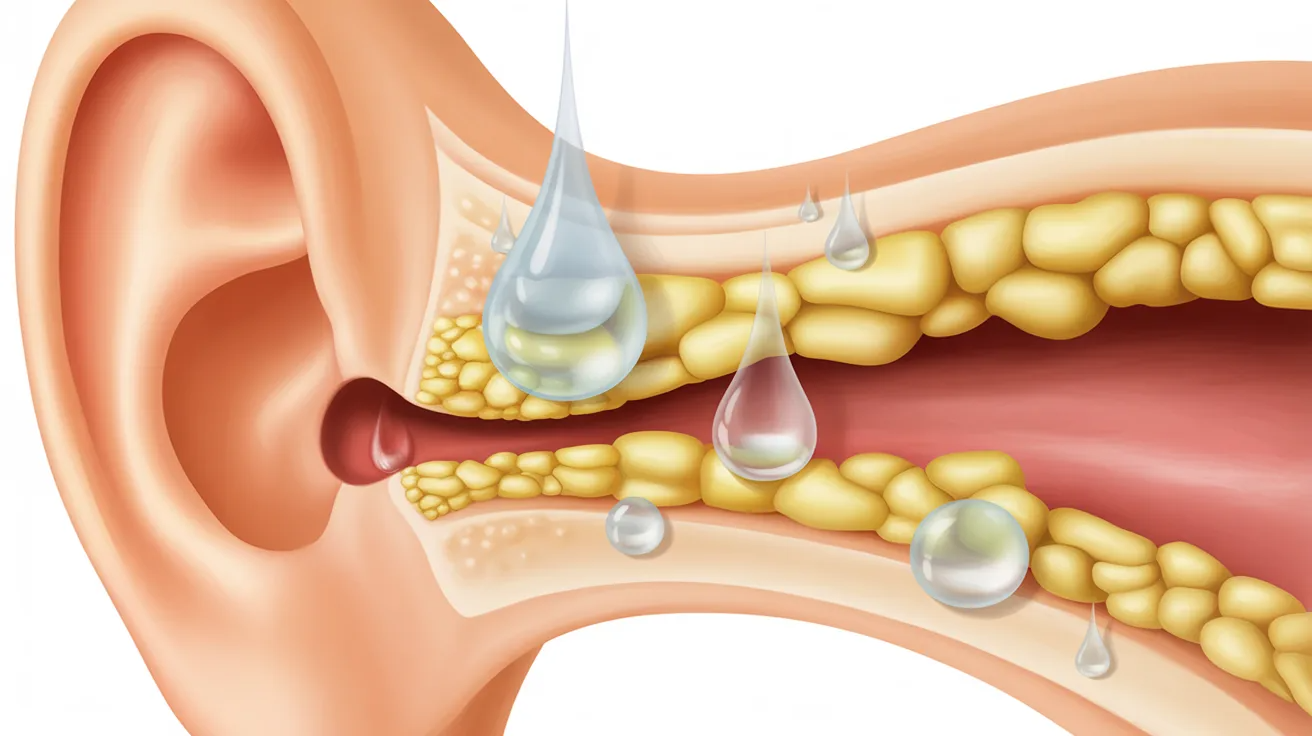
The Ultimate Guide to Water Based Wax Lubricant for Easy Ear Care
Have you ever felt like your ears were plugged up or muffled? It is a very common feeling that many people deal with every single day. A water based wax lubricant is a special kind of liquid designed to make ear wax softer and easier to move. Think of it like putting oil on a squeaky door hinge to make it swing better. When your ear wax gets too hard or dry, it can get stuck deep inside your ear canal. This can cause some pain or even make it hard to hear your friends talking. Using a water based wax lubricant helps break down that tough wax so it can slide out naturally without any fuss.
Many people try to use cotton swabs to clean their ears, but that can actually push the wax deeper inside. That is why a water based wax lubricant is a much safer choice for your body. It works gently to hydrate the wax and skin inside your ear. Most of these products use simple ingredients that do not irritate your sensitive skin. When you use a water based wax lubricant correctly, you are taking a “people-first” approach to your health. It is all about being kind to your ears while getting the job done right.
Understanding the Basics of Wat Wax
When we talk about wat wax, we are usually looking at the buildup that happens inside the ear over time. Your body makes wax to protect your ears from dirt and tiny bugs. However, sometimes the body makes too much, or the wax does not go away on its own. This is where a water based wax lubricant becomes your best friend. It helps manage the wat wax by keeping it moist and slippery. If the wax stays soft, your ear can usually clean itself out while you shower or sleep. It is a natural process that just needs a little help sometimes.
How to Remove Ear Wax Blockage Fast with Water
If you are wondering how to remove ear wax blockage fast with water, the secret is being very gentle. You should never blast high-pressure water into your ear because that can hurt your eardrum. Instead, you can use a soft bulb syringe to lightly rinse the area. Before you do this, using a water based wax lubricant for a few days is a great idea. The lubricant softens the blockage so the water can easily carry it away. This method is much faster than waiting weeks for the wax to fall out on its own.
Using Peroxide and Water for Ear Wax Removal
A very popular home remedy involves using peroxide and water for ear wax removal. Hydrogen peroxide is great because it bubbles up when it touches the wax. These tiny bubbles help break the big chunks of wax into smaller pieces. You should usually mix equal parts of peroxide and warm water to keep it safe. After the bubbling stops, you can apply a water based wax lubricant to soothe the skin. Using peroxide and water for ear wax removal is a classic trick that doctors often suggest for use at home.
The Process of Ear Wax Extraction Water Methods
An ear wax extraction water method is simply a professional way to wash out your ears. Doctors call this irrigation, and it is very effective for big clogs. They use a stream of warm water to get behind the wax and push it forward. If you have been using a water based wax lubricant at home, the doctor’s job becomes much easier. The wax will be soft and ready to move out quickly. This ear wax extraction water process is usually painless and provides instant relief for your hearing.
Why You Should Choose a Water Based Wax Lubricant
Choosing a water based wax lubricant is better than using oily products for some people. Water-based formulas are easy to wash away and do not leave a greasy mess on your pillow. They are designed to mimic the natural moisture found in your body. When you use a water based wax lubricant, you are ensuring that the environment inside your ear stays balanced. It is a smart way to handle ear hygiene without using harsh chemicals that might cause a rash or an itch.
Safety Tips for Home Ear Care
Safety is the most important thing when dealing with your hearing. Before using a water based wax lubricant, make sure your eardrum is healthy and has no holes. You should never put anything smaller than your elbow inside your ear canal! Always use liquids that are at body temperature. If the water based wax lubricant is too cold or too hot, it might make you feel dizzy. Taking it slow and being patient will always give you the best and safest results for your ears.
Common Signs of an Ear Wax Blockage
How do you know if you need a water based wax lubricant? You might feel a “full” sensation in your ear, like you are underwater. Some people hear a ringing sound, which is called tinnitus. Others might notice that their hearing is not as sharp as it used to be. If you have these signs, a water based wax lubricant can help clear the path. It is a simple solution for a problem that can feel very annoying. Once the wax is gone, most people feel much better immediately.
Comparing Different Types of Ear Lubricants
Not all ear drops are the same, so it is good to know the difference. Some are made of oil, like olive oil or mineral oil, while others are a water based wax lubricant. The water-based versions usually work faster to penetrate the wax. They are also less likely to clog up hearing aids if you wear them. Using a water based wax lubricant ensures that the cleanup process is quick and simple. It really comes down to what feels most comfortable for your unique ears and lifestyle.
Step-by-Step Guide to Applying Ear Drops
To use a water based wax lubricant, start by lying on your side with the blocked ear facing up. Gently pull your earlobe back to straighten the canal. Drop the water based wax lubricant into the ear until it feels full. Stay in that position for about five minutes to let the liquid soak in deep. This gives the water based wax lubricant enough time to start breaking down the hard wat wax. Finally, sit up and let any extra liquid drain out into a clean tissue.
When to See a Professional Doctor
While a water based wax lubricant works for most people, sometimes you need an expert. If you have a fever, severe pain, or fluid leaking from your ear, stop using drops and call a doctor. They have special tools to look deep inside and see what is happening. They might use a professional ear wax extraction water tool to clear the blockage safely. Remember, your hearing is precious, so it is always okay to ask a professional for help when you are unsure.
Essential Information Table
| Feature | Details |
| Product Type | Water Based Wax Lubricant |
| Best For | Softening hard ear wax and blockages |
| Main Ingredients | Water, Glycerin, or Saline |
| Usage Frequency | 1-2 times daily for up to 4 days |
| Common Tools | Bulb syringe, Dropper |
| Key Benefit | Non-greasy and easy to rinse out |
Export to Sheets
Conclusion
Taking care of your ears does not have to be scary or difficult. By using a water based wax lubricant, you are choosing a gentle way to keep your hearing clear. Whether you use peroxide and water for ear wax removal or visit a pro for ear wax extraction water, the goal is the same: healthy ears! Remember to stay patient and never poke your ears with sharp objects. A little bit of water based wax lubricant goes a long way in making sure you can hear the world around you clearly.
Frequently Asked Questions (FAQs)
1. Is a water based wax lubricant safe for children? Yes, most water-based drops are safe for kids, but you should always check with a pediatrician first. Children have smaller ear canals, so they need very gentle care.
2. How long does it take for a water based wax lubricant to work? It usually takes about 3 to 5 days of regular use to fully soften a tough blockage. You will notice the wax becoming “mushy” as it breaks down.
3. Can I use water based wax lubricant if I have an ear infection? No, you should not put any drops in your ear if you suspect an infection or have a ruptured eardrum. Always see a doctor if you feel sharp pain.
4. What is the difference between wat wax and normal ear wax? “Wat wax” is just a shorter way to talk about the wax buildup in your ear. All ear wax serves to protect the ear, but it only becomes a problem when there is too much of it.
5. Does peroxide and water for ear wax removal hurt? It should not hurt, but it might feel ticklish! The bubbling sensation is just the oxygen working to break apart the wax clogs.
6. Why is ear wax extraction water better than using a Q-tip? Using water or a water based wax lubricant flushes the wax out. A Q-tip often acts like a plunger and pushes the wax deeper against your eardrum, which can cause damage.